
Human spaceflight
Artificial gravity is a prescription before it is a place
The first useful gravity system may look less like a spinning city than an appointment the crew cannot afford to skip.
12 June 2026
A pen name for hard science fiction rooted in real research, systems thinking, and people who keep going when things get quiet.
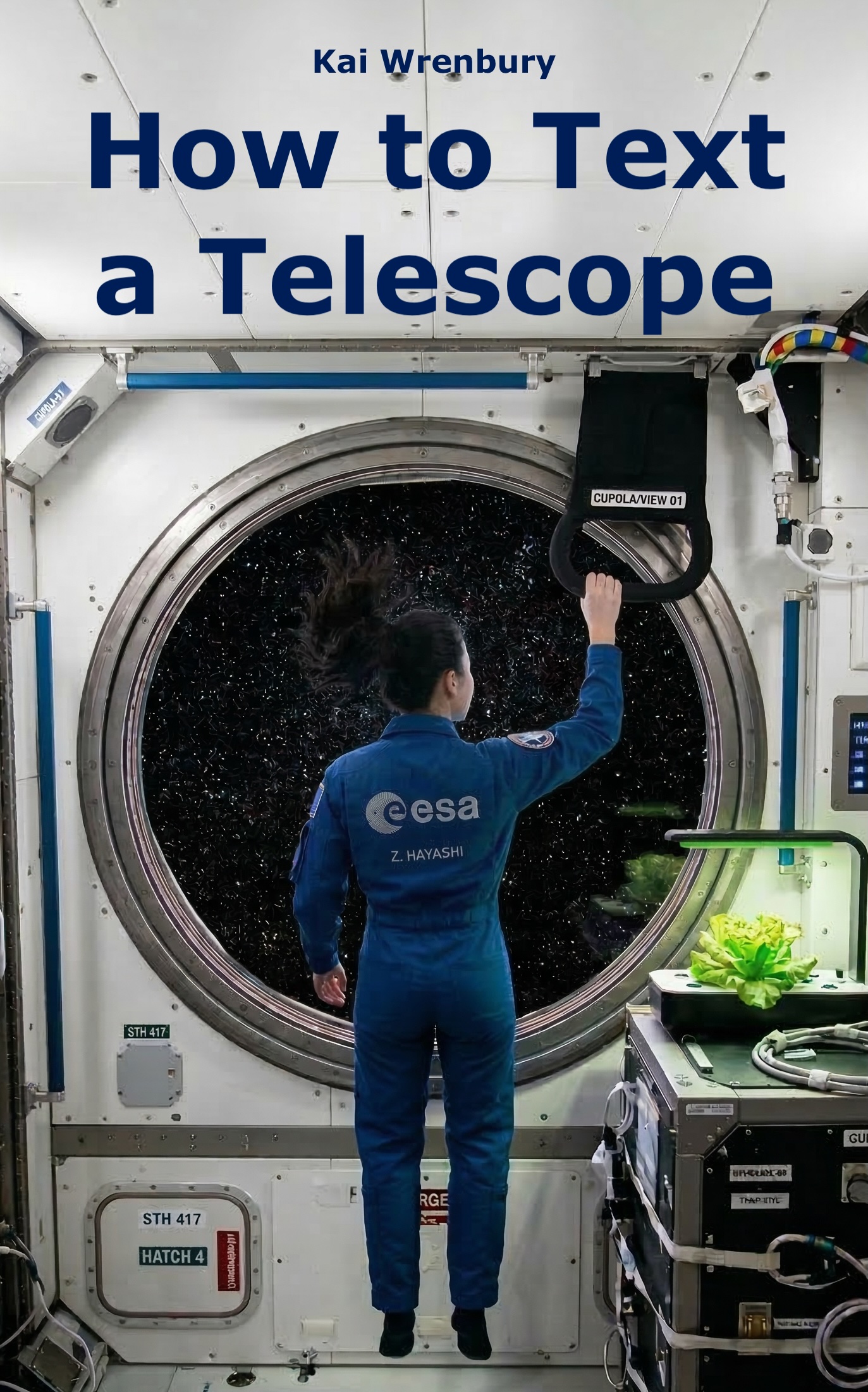
I wanted a character who stays honest when she is tired. Not heroic in a poster sense. Just steady, technically serious, and still able to do the next thing right when the easy options are gone.
The book sits where hard science fiction meets endurance writing: a body under strain, a mind working through delay, and the strange decency of doing careful work when nobody is there to clap.
I wanted more hard science fiction books, the ones that will not annoy me with obvious mistakes. I have no need for big drama, I never enjoyed "fighting agains the big evil" stories. Needed something that's not boring, but gentle and mildly funny, slice of life with things happening.
Long-distance running made me run out (pun intended) of these audiobooks. Also, it's important to have take-away, characters that you can relate to, look up to. Pacing matters. Restraint matters. What you can still do when you are tired matters. That is the kind of resilience I wanted in the book.
As Kai Wrenbury I can scratch this itch, create what I miss and share it with others. The pen name allows me to explore these ideas freely, without constraints.
The person behind the pen name comes out of a long stretch in software, with engineering degrees, too many languages, and the habits that go with that. I like systems that stay legible under pressure. I am comfortable close to the machine. Opening a hex editor to figure something out does not feel exotic to me. It feels normal.
A taster from the private recordings Zara makes when no one on Earth is listening.
During scheduled DSN gaps — the hours when no ground antenna is allocated and no one on Earth is listening — Zara records private video entries she calls the Void Diaries. They are not mission logs. They are not meant for broadcast. They are the things she says when the communication link goes quiet and the only audience is the station itself.
Some of them are addressed to specific people. Some of them are addressed to no one. All of them are honest in the way that only total privacy and 1.5 million kilometres of empty space can make a person honest.
I grew lettuce up here. I know you're going to ask whether I grew proper lettuce — by your standards, which are: did the lettuce grow in soil, did the lettuce grow in sunlight, did the lettuce receive properly composted fertiliser and not whatever shortcuts the hydroponics literature recommends — and the answer to all three is no, and the lettuce is fine, and her name is Keiko, and I'm not apologising.
I wrote a README for her. A document called README-KEIKO.md, with care instructions — watering schedule, light cycle, pH range, nutrient concentration targets, and a note that reads "She responds well to being talked to. I have no evidence for this. I have extensive anecdotal data."
The Void Diaries are where the novel's emotional centre lives. The research holds up the setting. The procedures hold up the plot. But the diaries are where Zara stops being an engineer solving problems and becomes a person trying to stay whole while solving them.
Some subjects would not leave me alone after the chapters were drafted.
These entries are what survived the longer mess: the reading, the note piles, the recalculations, and the moments when I realized a side question was interesting enough to deserve its own page.
Human spaceflight
The first useful gravity system may look less like a spinning city than an appointment the crew cannot afford to skip.
12 June 2026
Plant systems
At a little gravity, bubbles rise, water drains, and roots receive an answer when they ask which way is down.
20 May 2026
Artificial gravity
A centrifuge is not a room that happens to turn. It is a rotating problem the whole station has to solve together.
29 April 2026
If you sign up, expect release news, short research fragments, and the occasional new journal entry. I am not trying to become your inbox problem.